The Risks of Aftermarket Telematics Hardware and How to Avoid Them
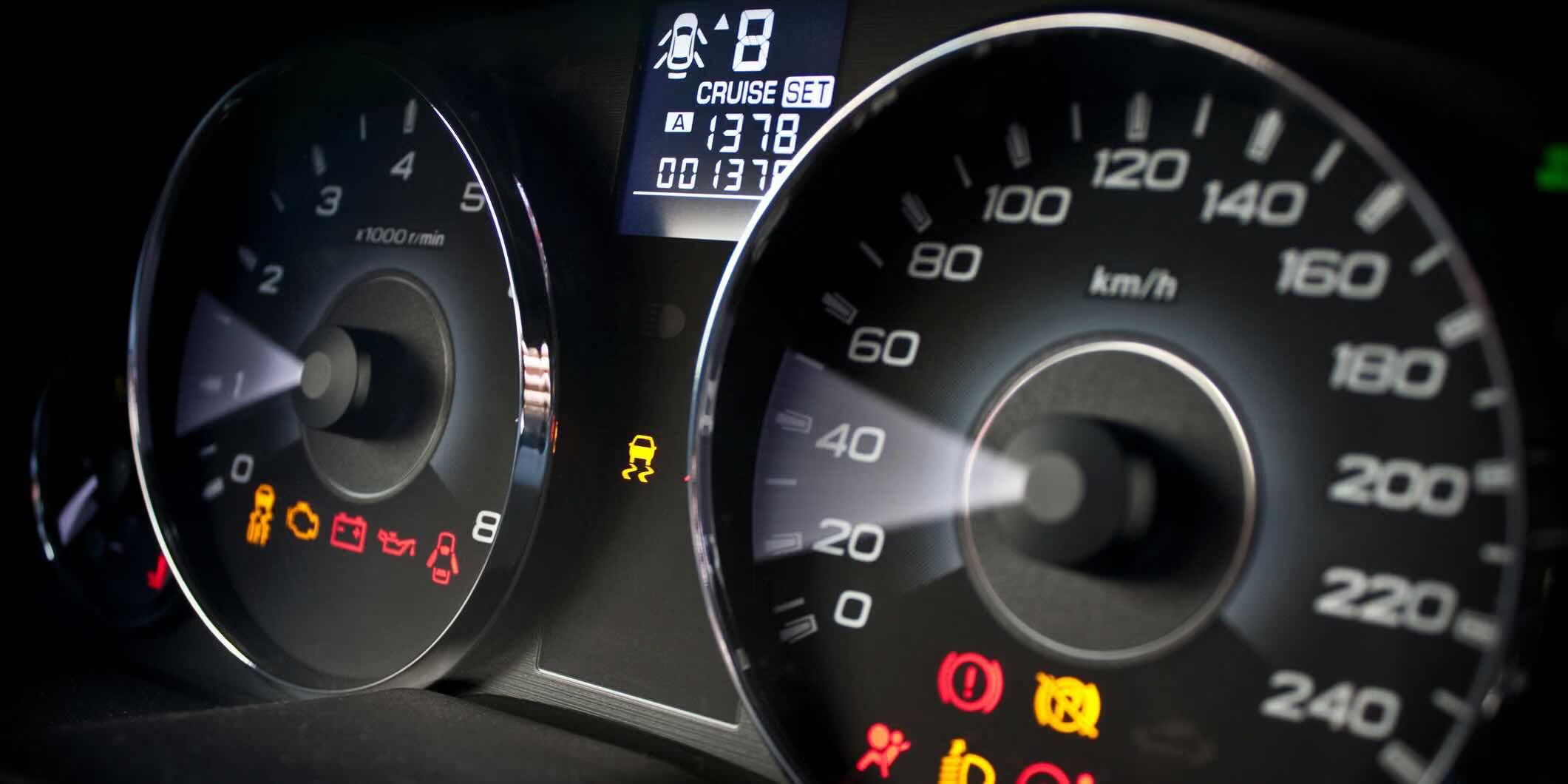
For years, plug-in devices have been the most common way to collect vehicle data, especially in older or mixed fleets that lack built-in telematics.
Most of these devices connect through the OBD-II port, the standardized diagnostic connector located under the dashboard of nearly all light-duty vehicles built since 1996. This port gives direct electrical access to the vehicle’s internal communication network, allowing external devices to read information such as engine status, mileage, and diagnostic codes without additional wiring.
The OBD-II port was designed for short diagnostic checks that support emissions monitoring and service workflows. It was not designed for continuous use by third-party devices that poll the vehicle’s network at a high frequency.
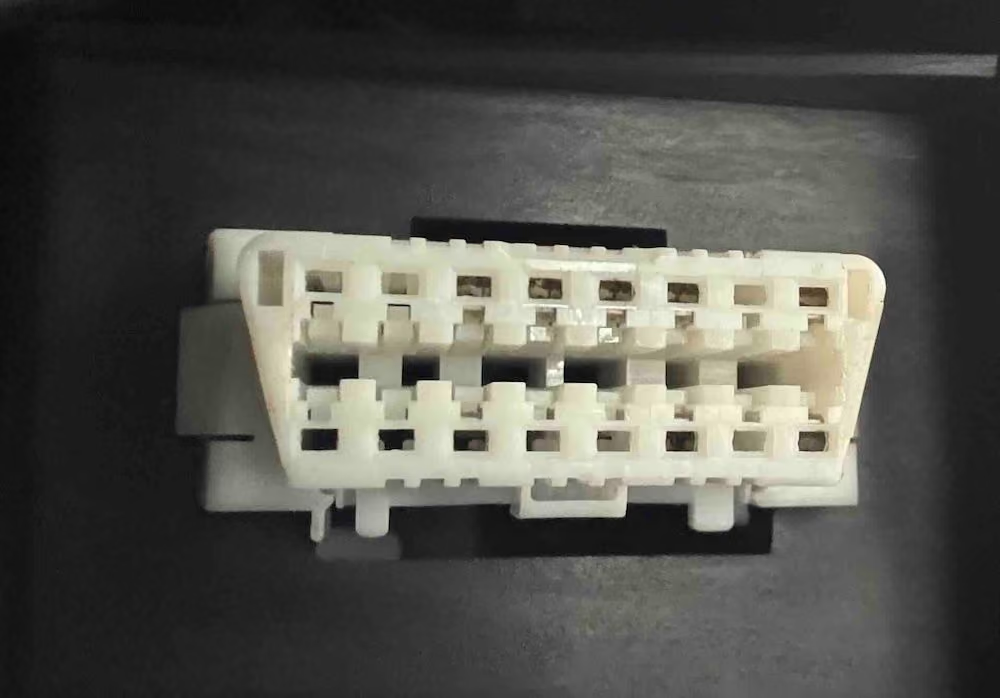
This level of access creates exposure. The OBD-II port connects to the same network used by the vehicle’s control modules, so any device plugged in becomes part of the system that manages powertrain, safety, and communication functions. For fleets, even intermittent issues can compound into avoidable downtime and unnecessary service visits.
Automakers are also encrypting more of their data, limiting OBD-II data access. As more signals move behind secure gateways, less information is available to third-party hardware. For newer models, the risks often outweigh the value.
How Aftermarket OBD-II Devices Can Interfere with Vehicle Systems
Modern vehicles depend on dozens of electronic control units (ECUs) communicating over a shared Controller Area Network (CAN bus). Added devices on the network can disturb communications between the powertrain, braking, or safety systems.
General Motors has documented cases in which aftermarket OBD-II devices caused loss of communication, false fault codes, and modules that drained batteries. Because many vehicles share similar system architectures, poorly designed aftermarket devices can create interference across brands and model years.
1. Communication and performance problems
Modern vehicles rely on constant communication between ECUs to manage systems like braking, powertrain, and stability control. Some aftermarket telematics devices introduce interference into the CAN bus or request data too frequently. When this happens, important messages can get delayed or misinterpreted. This can lead to unexpected vehicle behavior, reduced engine power, failed internal diagnostics checks, and more.
2. 12V battery drain
OBD devices draw power from the vehicle’s 12-volt line. Faulty devices can fail to enter a sleep state when the vehicle is parked, causing battery drain and no-start conditions. Some devices can introduce electrical noise that creates random, hard-to-diagnose faults that disappear once a device is unplugged.
3. Security vulnerabilities
An OBD device brings its own software and connectivity to the vehicle. If the device is not well secured or kept up to date, it can create security holes for unauthorized access. Federal agencies have noted that these devices increase the risk because they introduce connectivity that was not part of the original vehicle design.
The Fleet Impact of OBD-II Device Interference
For fleets, these glitches become expensive. Each unexplained warning consumes technician time and creates downtime. Battery drains lead to roadside calls. Communication faults force vehicles into limp mode. Diagnostic conflicts block remote maintenance tools.
Even when the device is not actively failing, its presence can complicate warranty claims or OEM diagnostic support. Many service departments now check the OBD port first when troubleshooting unexplained electronic behavior.
Where Aftermarket OBD-II Devices Are Still Useful
For legacy vehicles without embedded connectivity, OBD devices can still play a role, but they should be selected and managed carefully. Fleets should use automotive-grade hardware that has been tested and proven to work across the specific makes and models in their operation. Firmware updates and power management often require coordination with the device provider, so fleets should confirm that the vendor handles these tasks and provides clear support when issues arise.
Why Connected Vehicle Intelligence Is the Safer Long-Term Solution
Newer vehicles already stream high-quality telemetry through built-in OEM systems. Connected Vehicle Intelligence platforms access data directly through secure manufacturer-provided APIs.
This approach eliminates operational risks of aftermarket devices and ensures stable, long-term access to data that is approved and supported by automakers. Benefits include:
- High-quality data validated by the manufacturer
- No interference with vehicle systems
- No drain on batteries or diagnostic networks
- Built-in security and compliance controls
- A future-proof path as more OEMs add richer data sets and broader coverage
OEM telematics delivers reliable data for uptime, maintenance, and driver safety without the uncertainty of aftermarket hardware. Fleets can mix connected and legacy vehicles in a single platform, using dongles only where no native connection exists.
Connected Vehicle Intelligence is more than a technical upgrade. It is the foundation of a safer, more predictable, and more scalable fleet operation. It allows organizations to trust their data, streamline maintenance, and prepare for a fully connected future.
The Bottom Line
Aftermarket dongles can have a role in certain scenarios, but also clear limits. They can provide visibility for older assets, yet introduce real risks in newer connected vehicles. The long-term strategy for forward-looking fleets is clear: consider using aftermarket devices where necessary, but transition toward Connected Vehicle Intelligence that delivers fleet insights through secure OEM-supported data connections.
Ready to modernize your fleet data strategy?
Motorq partners directly with leading automakers to deliver verified, secure data without aftermarket hardware. Fleets can eliminate hardware risk while gaining accurate, continuous visibility across every vehicles. Contact us to speak to a Motorq expert today to learn more.
.png)


See what connected vehicles can do
OEM connectivity brings visibility without added hardware costs. Meet with a Motorq expert and see how connected vehicle intelligence can support your business.